
This post may contain affiliate links. If you click on one of my affiliate links and make a purchase, I may receive a commission for referring you. This in no way affects your price. Please know that I only recommend resources and items I believe in and highly recommend. You can read my full disclosure statement here.
Teaching reading to our kids can be a blessing or a nightmare, and we have all come across that roadblock.

You decide you’re going to teach your child to read at home, and at first, it feels good. You choose programs, look at resources, and think that you’re setting your child up for success.
Your heart is in the right place, trying to be intentional. Then somewhere along the way, things start to feel a bit off.
You try a couple of lessons, and it doesn’t go the way you expected. Your child is either guessing words instead of reading them, or they’re showing frustration, and you’re not sure if you should push through or stop.
That’s usually the moment when doubt starts creeping in and you start asking yourself:
Am I doing this right?
Should I be using something different?
Why isn’t this clicking?
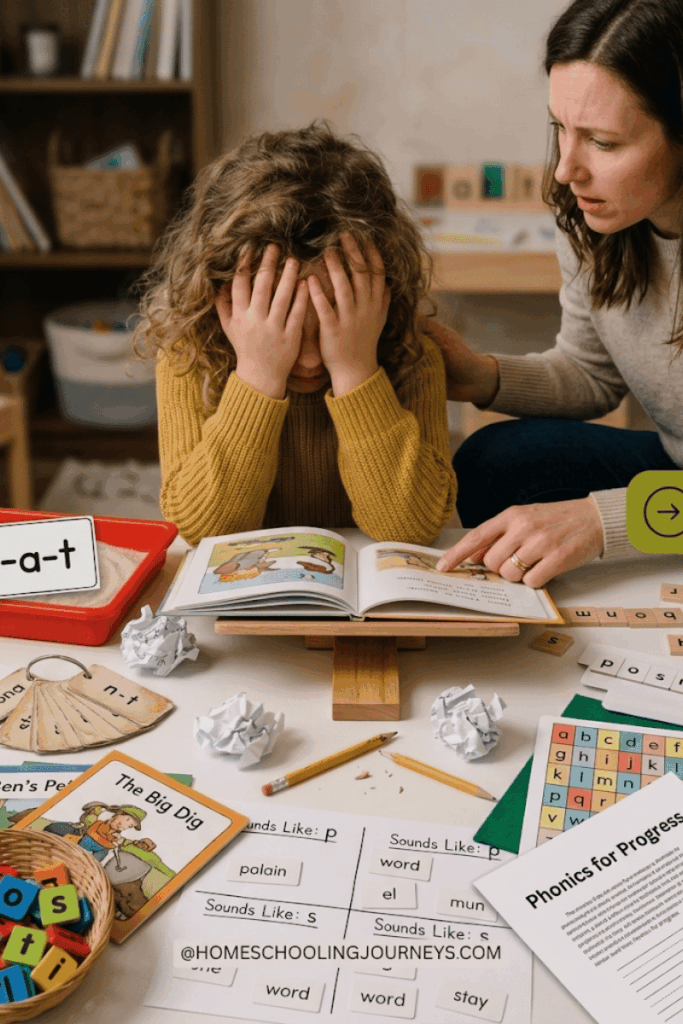
What Most Parents Don’t Realize About Teaching Reading
When I started working with early readers, I thought that reading was all about looking at the initial letters, looking at pictures, skipping the word and coming back to it, because context would help the child figure out what that word was. That’s what we were taught reading was about.
But in the back of my mind, I kept thinking, what happens when there are no more pictures, or if they don’t have the background knowledge of the topic they are trying to read? I spent time looking for that answer, and I couldn’t find it.
Then my students and my own kids reached the early novel stage, and that’s when those thoughts became reality. The kids regressed instead of comfortably progressing in their reading path.
I realized that I didn’t need another resource that was out there. What I needed was to understand how kids actually learn to read. That search led me to the Orton-Gillingham approach, and that was my “aha” moment.
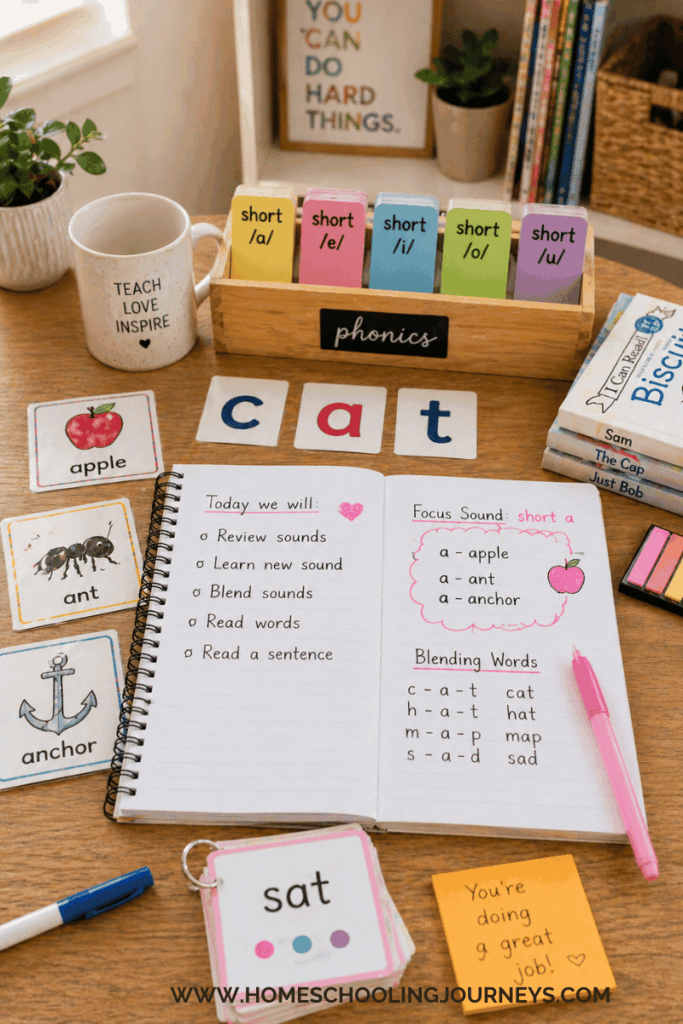
My kids and students didn’t need more worksheets or a fast track to learn how to read. They needed a few core skills, practiced consistently. They needed intentional opportunities to hear sounds in words, connect those sounds to letters, blend those sounds together, and read words that match what they are learning.
That’s what moves things forward.
Where Things Start to Break Down
Parents and fellow colleagues have all expressed the same concerns.
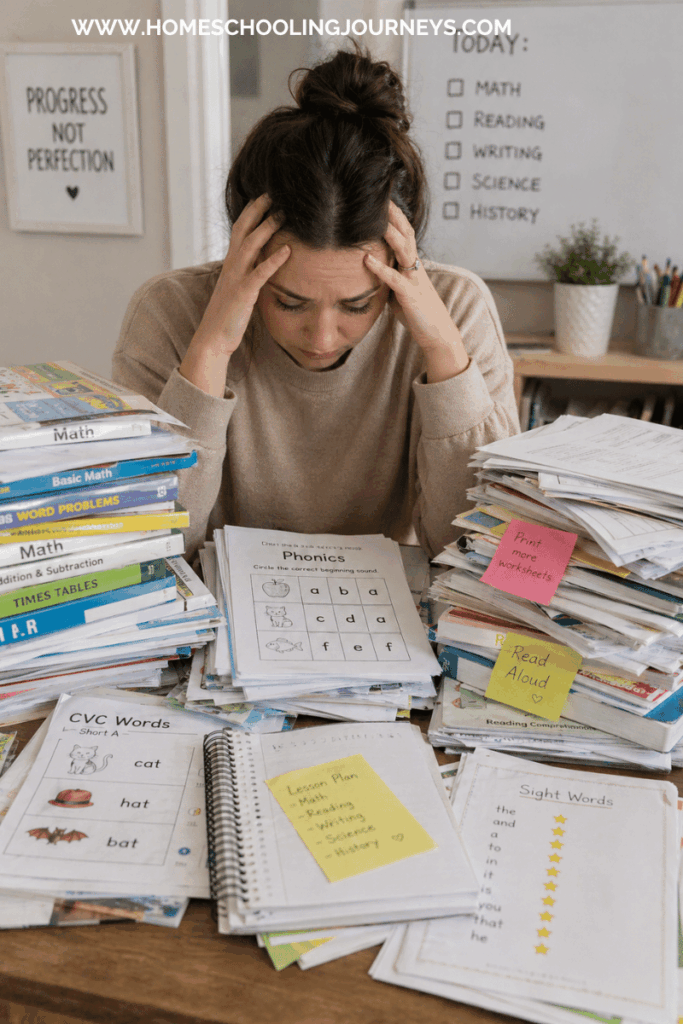
The minute text features change and the content becomes new and unfamiliar, a child starts to struggle with reading. The natural reaction is to try to fix it by adding more—another program, more worksheets, or longer lessons. It feels like the responsible thing to do, especially when you want to help your child move forward because of the fear of falling behind or not meeting all the curricular expectations.
But most of the time, it doesn’t solve the problem. It just adds more pressure. Reading starts to feel heavy instead of manageable, and both you and your child begin to feel that shift. The child starts to refuse reading and shows a lot of frustration.
What Actually Works (Even If It Feels Too Simple)
Taking a step back in that moment and grounding yourself in what’s actually happening can make a big difference. Instead of continuing to add more, this is where I started pulling things back.
I shortened the lessons, focused on fewer skills at a time, and gave those skills the time they needed to stick. That’s when I started to see a real shift, not just in progress, but in confidence.
When you think about it, we don’t teach our kids to stand, walk, and run all at once. They learn to stand first. Once they’re steady, they begin to take steps. Over time, those steps turn into walking, and eventually running. Each stage builds on the one before it.

Reading works the same way. It doesn’t need to be rushed or layered all at once. It needs to be built step by step, with consistency. When a child has the chance to practice the right skills regularly, things begin to click in a way that feels natural instead of forced.
What This Looks Like Day to Day
When you break it down like that, it starts to feel a lot more manageable.
Most days, it’s actually very simple.
You might start by reviewing a few sounds your child already knows, just to warm things up and build confidence. Then you focus on one small skill, like simple three-letter words, and give your child time to work through it without rushing ahead.
After that, you read something short that matches what they’ve learned. This is where they begin to connect everything together. And then you stop.
Just like learning to stand comes before walking, and walking comes before running, each of these small steps builds on the one before it.
It doesn’t need to go longer than that. In most cases, 10 to 15 minutes is enough.
What matters is not how long you spend, but that it happens regularly, and that your child walks away feeling like they can do it.
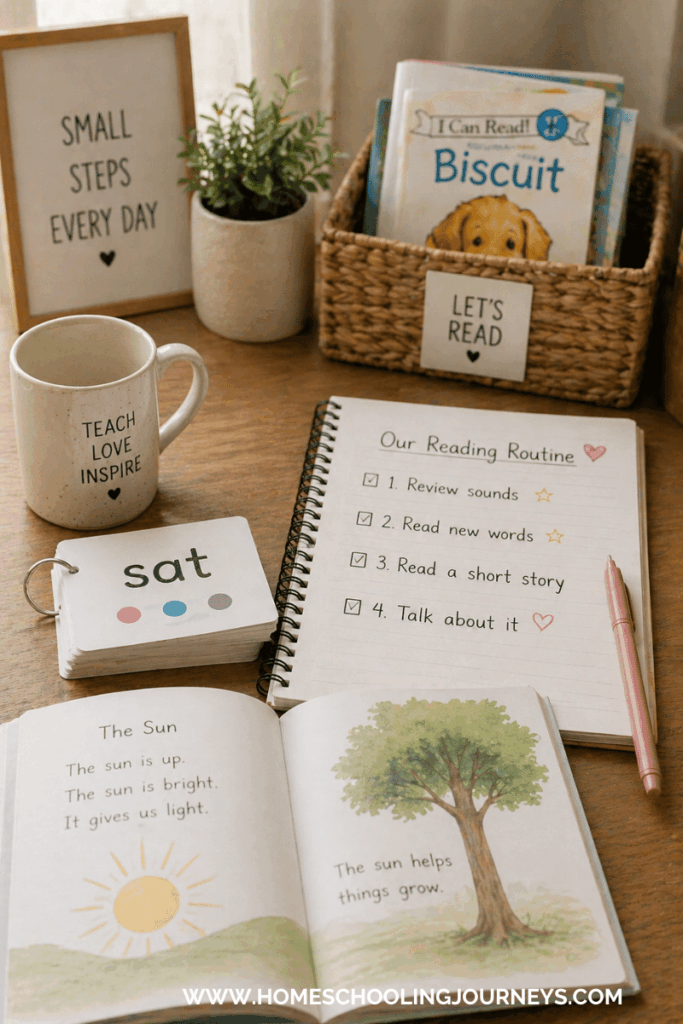
When It Feels Like It’s Not Working
Now, I’m not going to lie. Even with a simple routine, there are going to be days when it feels like it’s not working and your child will be frustrated. Just remember when you taught them to walk. Was it frustration-free?
This is the part parents need to remember. When progress feels slow, it does not mean something is wrong, that the program isn’t working, or that your child needs something different.
It just means we need to slow down and go at your child’s pace. It is not a race. All children reach the finish line at different times, and that’s okay, because they all get there.
Just like we wouldn’t expect a child to go from standing to running overnight, reading works the same way. Sometimes things move a bit too quickly, and other times they move at a slower pace.
Slowing things down, even when it feels like you should be moving forward, often makes the biggest difference.
If You’re Feeling Stuck Right Now
If you’re sitting there thinking you just want someone to show you what to do each day, you’re not alone.
This is where most parents get stuck. Not because they can’t teach reading, but because no one has broken it down in a way that feels simple and manageable.
A Simple Place to Start
This is why I put together a free daily reading routine.
It’s not a full program, and it’s not meant to feel overwhelming. It’s simply a starting point that helps you sit down each day and know what to focus on, without second guessing yourself.
It walks you through what to do, how long to spend, and how to keep things calm and consistent.
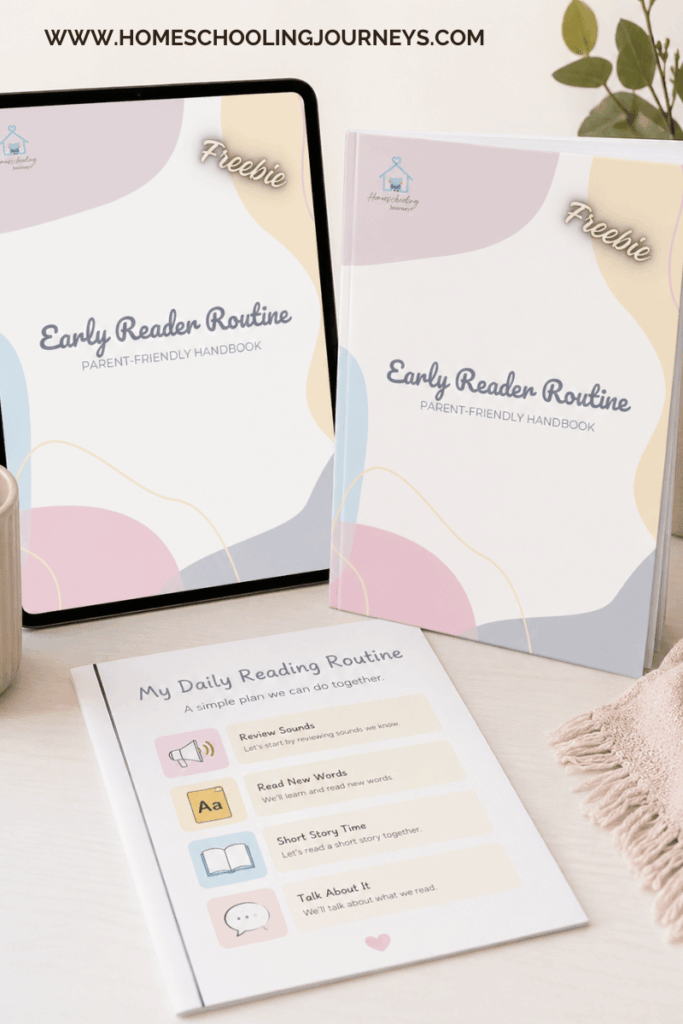
👉 You can download it here: Early Reader Routine
Reading doesn’t happen all at once.
It builds slowly, in small steps that don’t always feel like progress in the moment. Over time, those small steps begin to come together.
When you keep things simple and consistent, it becomes a lot more manageable than it feels right now.
Leave a Reply