
This post may contain affiliate links. If you click on one of my affiliate links and make a purchase, I may receive a commission for referring you. This in no way affects your price. Please know that I only recommend resources and items I believe in and highly recommend. You can read my full disclosure statement here.
World Space Week, observed annually from October 4–10, is a global celebration of space science and technology. It’s the perfect opportunity for homeschool parents and educators to inspire curiosity, explore the cosmos, and encourage STEM learning in fun and meaningful ways. With a little creativity and a few resources, you can turn your home into a launchpad for discovery.

What Is World Space Week?
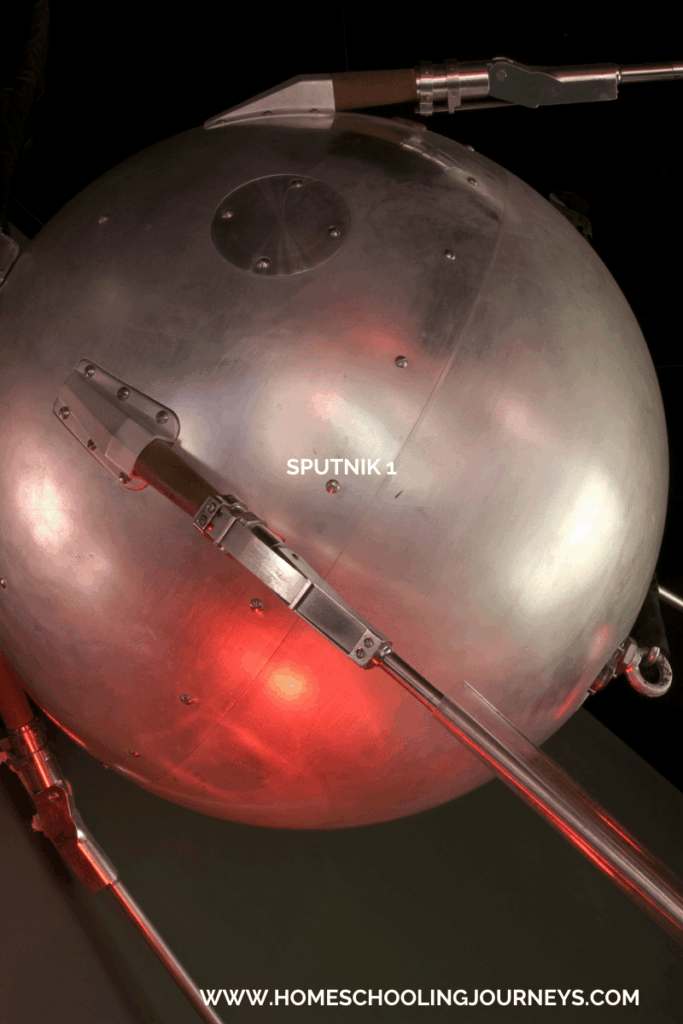
World Space Week was established by the United Nations in 1999 and commemorates two major milestones: the launch of Sputnik 1 on October 4, 1957 (the first human-made satellite), and the signing of the Outer Space Treaty on October 10, 1967. Each year, the celebration features a new theme; for example, past themes have included “Satellites Improve Life” and “Women in Space.” These themes can guide your lessons and projects for the week.
Space-Themed Activities for All Ages
1. Build a Model Solar System
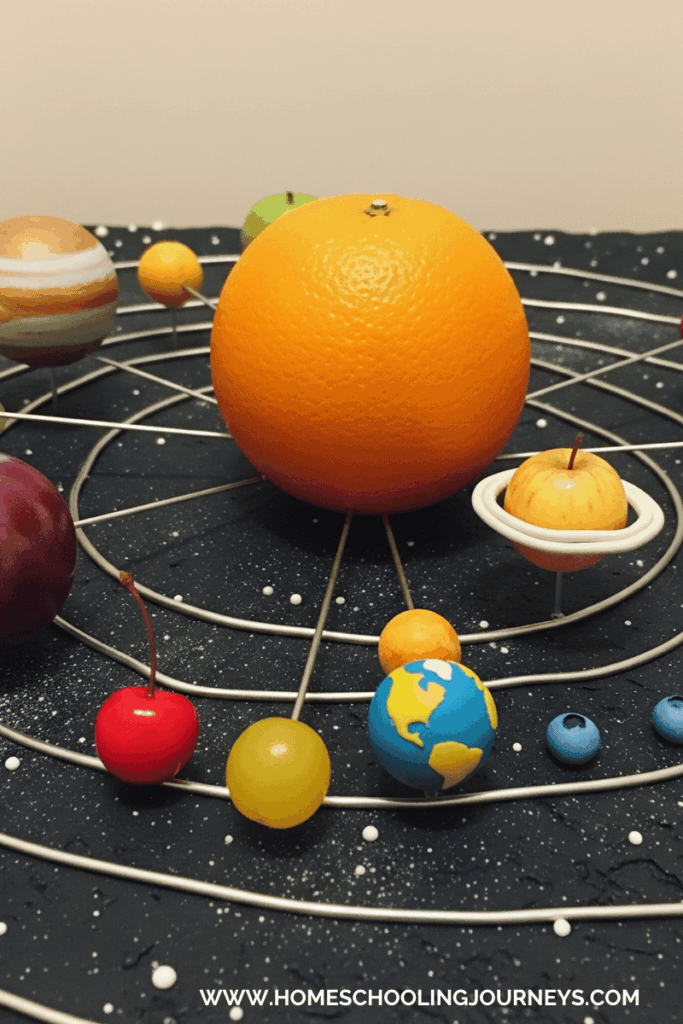
Use clay, paper mâché, or even fruit to create a scale model of the solar system. Label each planet and discuss its unique characteristics. Take it a step further by incorporating math—calculate the distances between planets or their orbital speeds.
2. Stargazing and Sky Charts
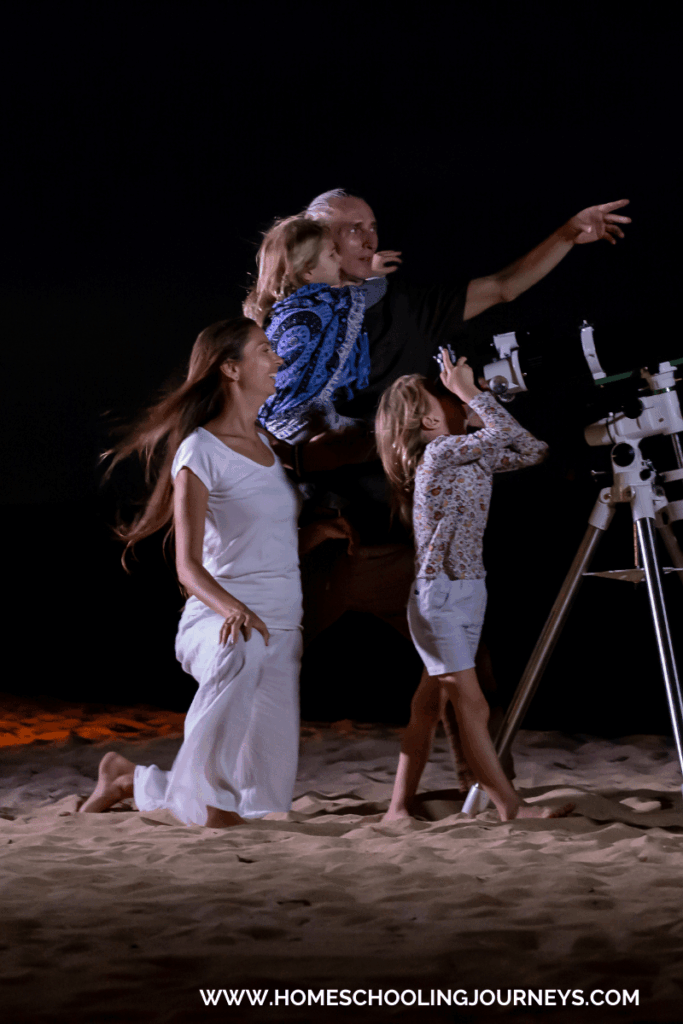
Download a free sky map (like from Stellarium or SkySafari) and head outside on a clear night. Learn to identify constellations, planets, and phases of the moon. Keep a stargazing journal where kids can sketch what they see and log their observations.
3. Create Rocket Launch Experiments
Explore basic physics with a DIY rocket! Try a simple vinegar and baking soda rocket or a balloon-powered rocket on a string. Talk about Newton’s laws of motion and how rockets use thrust to escape Earth’s gravity.
4. Read Space-Themed Books
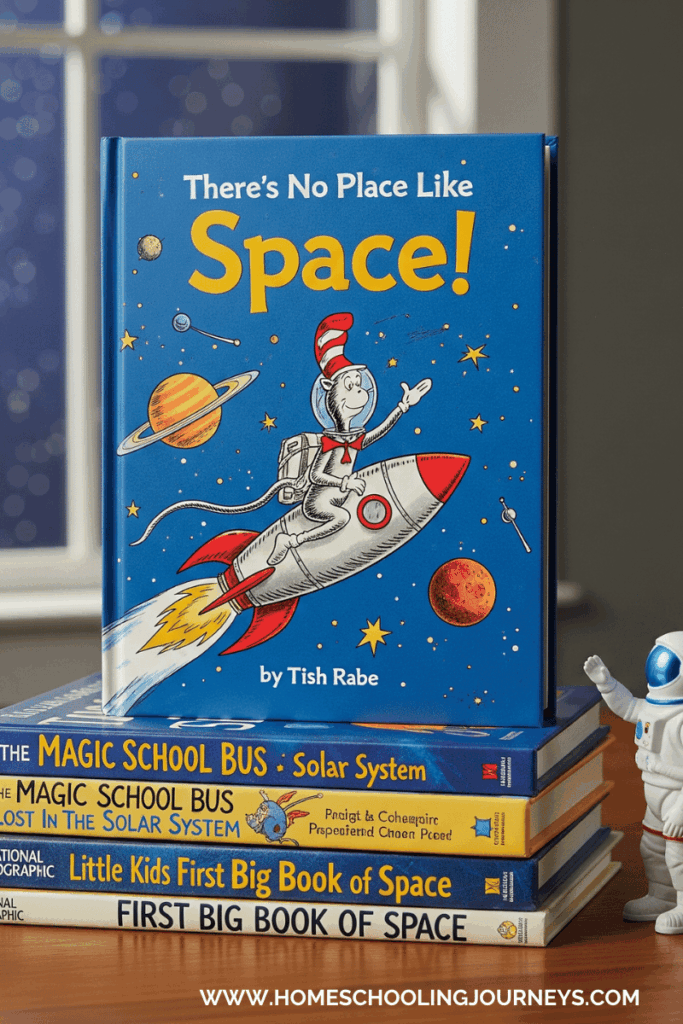
Incorporate language arts by reading books like There’s No Place Like Space by Dr. Seuss for younger kids or Hubble: Imaging Space and Time for older learners. Follow up with writing assignments: space poems, astronaut diary entries, or short sci-fi stories.
5. Watch Educational Videos and Documentaries
Supplement lessons with age-appropriate videos from NASA, National Geographic, or PBS. Series like Cosmos or StoryBots: Ask the Questions—How Do Rockets Work? offer visual and engaging ways to understand complex concepts.
6. Virtual Field Trips and Simulations
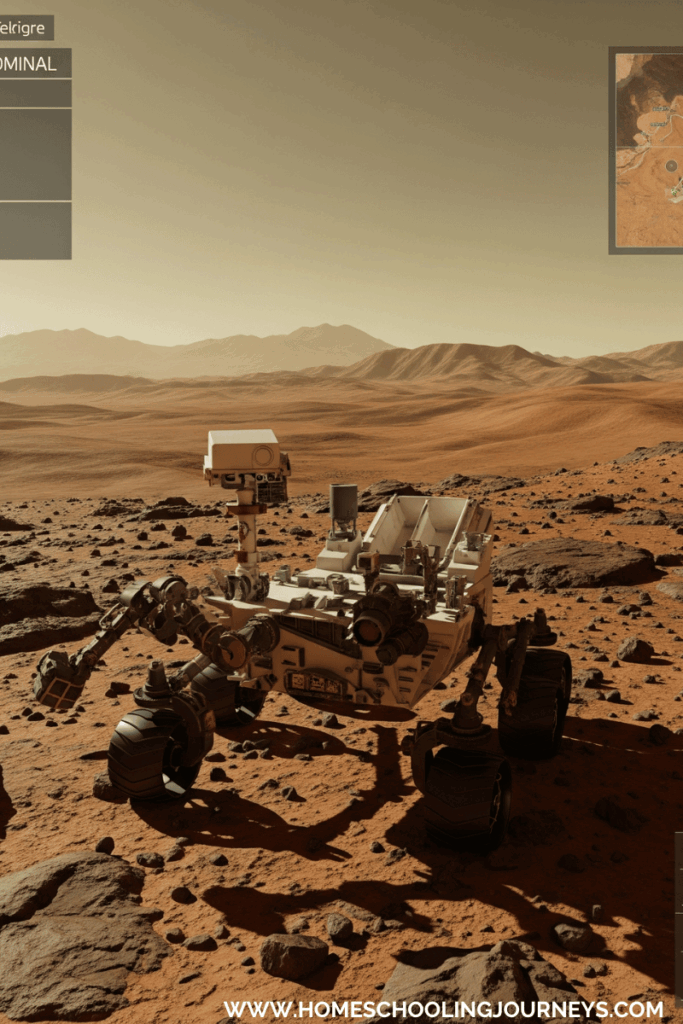
Explore NASA’s free virtual tours of space centers, Mars rovers, or the International Space Station. Use simulations to “land” on Mars, explore a black hole, or navigate the stars. Many are free and interactive, ideal for self-guided learning.
Resources for Parents and Teachers
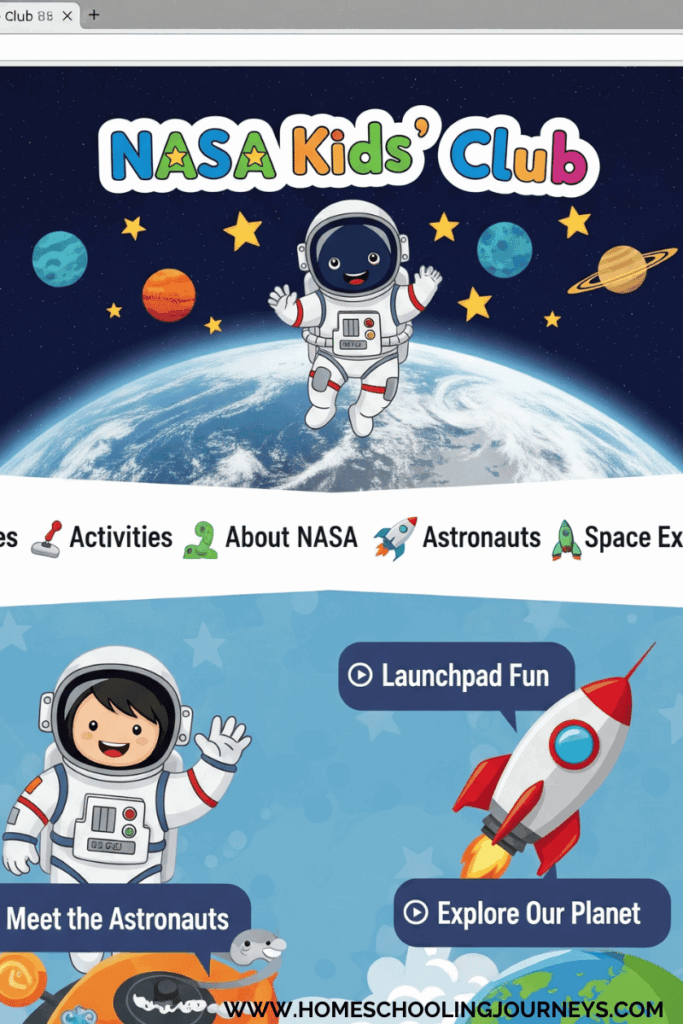
- NASA’s Kids’ Club: Games, activities, and crafts for young learners.
- Space Foundation Discovery Center: Offers downloadable lesson plans and virtual experiences.
- ESA and JAXA Education Pages: International perspectives with projects and printables.
- The Planetary Society: Space advocacy and science outreach materials.
Final Thoughts
World Space Week is more than a celebration—it’s a chance to nurture curiosity and spark a lifelong interest in science. Homeschooling provides the perfect flexibility to dive into these topics deeply and creatively. Whether through hands-on experiments, storytelling, or simply staring up at the stars, your child’s next big adventure may begin right in your own backyard. So suit up, blast off, and enjoy a stellar week of learning!
Leave a Reply