
This post may contain affiliate links. If you click on one of my affiliate links and make a purchase, I may receive a commission for referring you. This in no way affects your price. Please know that I only recommend resources and items I believe in and highly recommend. You can read my full disclosure statement here.
Summer brings warm weather, longer days, and plenty of sunshine, but did you know that one day each year is the longest day of all? Summer Solstice: What Happens on the Longest Day marks the official start of summer and is the perfect opportunity to teach kids about Earth’s movement, sunlight, and the changing seasons. With a fun, easy-to-understand explanation and our free solstice worksheet, young learners can explore what makes this day so special!
What Is the Summer Solstice?
The summer solstice happens once a year, around June 20th or 21st in the Northern Hemisphere. On this day, the Earth’s North Pole is tilted closest to the sun, which means we experience the longest amount of daylight all year! Depending on where you live, that could mean up to 16 hours of sunshine!
The word solstice comes from Latin and means “sun stands still,” because the sun appears to pause in the sky at its highest point before slowly starting its journey lower again. After the solstice, the days start to get shorter little by little—even though summer has just begun.
Why It’s a Great Teaching Moment
Learning about the summer solstice is a fantastic way to introduce science concepts like Earth’s orbit, axial tilt, and seasons in a simple, relatable way. Preschool and elementary-aged children are naturally curious about the world around them, and this event offers the perfect opportunity to combine hands-on learning with real-world observation.

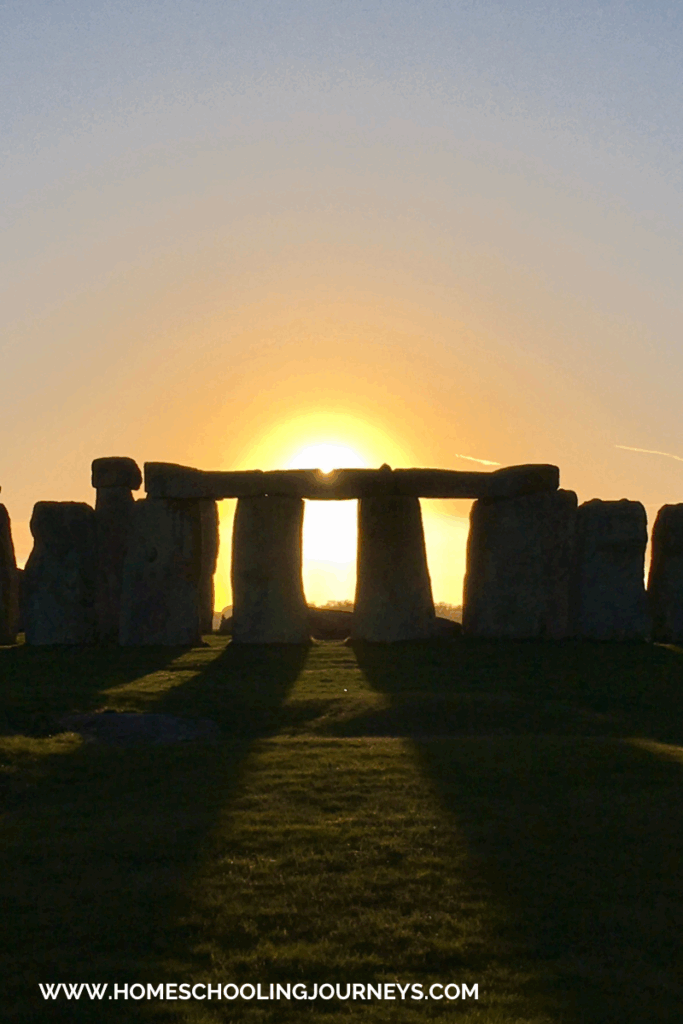
You can even tie in cultural lessons—many ancient civilizations celebrated the summer solstice with festivals and monuments. Places like Stonehenge in England and Chichen Itzá in Mexico were built to align with the sun on solstice days!
How to Make It Fun for Kids:
Here are a few engaging ways to explore the summer solstice:
- Measure Shadows: Observe how shadows change throughout the day and notice how short they are at noon.
- Track the Sun: Use chalk to mark where the sun rises and sets on the solstice.
- Story Time: Read books about the sun or the changing seasons.
- Celebrate the Light: Have a picnic or backyard party to honor the sunniest day of the year.
Free Solstice Worksheet for Kids
To make learning even more interactive, download our free Summer Solstice Worksheet! This printable includes:
- Fill-in-the-blank facts to help kids recall key information about the solstice
- A diagram of the Earth and sun for labelling practice
- Fun facts and simple vocabulary words perfect for early learners
Whether you’re a teacher planning a summer lesson, a homeschool parent, or just looking for a fun way to keep kids learning during break, this worksheet is a great resource to reinforce science concepts in a kid-friendly format.
Shine a Light on Science This Summer
Understanding the summer solstice gives kids a sense of wonder about the natural world and how our planet moves through space. It’s a celebration of sunlight, learning, and the rhythms of Earth—and a great way to welcome the season ahead.
☀️ Click here to grab your FREE Summer Solstice Worksheet and help kids explore the longest day of the year with fun and learning!
Leave a Reply