
This post may contain affiliate links. If you click on one of my affiliate links and make a purchase, I may receive a commission for referring you. This in no way affects your price. Please know that I only recommend resources and items I believe in and highly recommend. You can read my full disclosure statement here.
Back-to-school season is upon us, and for homeschooling families, it’s a unique opportunity to refresh and restock your educational supplies without breaking the bank. While the excitement of a new school year can be exhilarating, it’s also a time when expenses can quickly add up.

Fortunately, there are many ways to save money on back-to-school shopping while ensuring you have everything you need. Here’s a guide to help you keep costs down and make the most of your budget.
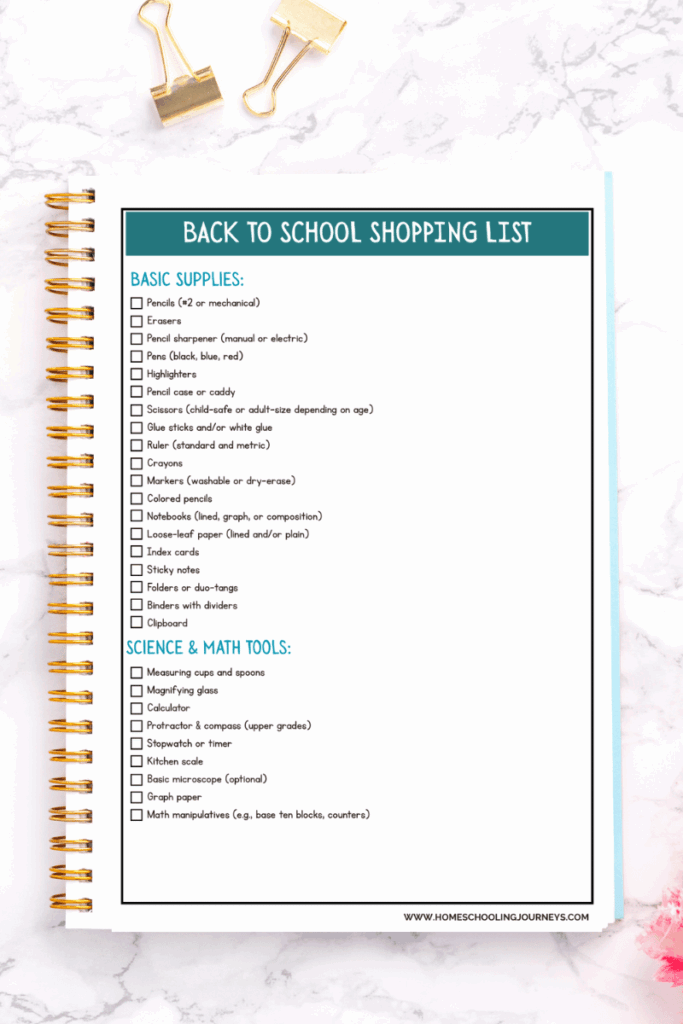
Make a Detailed List
Before shopping, start with a detailed list of what you need. This will help prevent impulse purchases and ensure that you don’t forget essential items.
Assess Current Supplies
Check what you already have on hand. You might be surprised at last year’s unused or partially used supplies.
Plan for the Year
Consider what you’ll need for the entire year, not just the start. This includes textbooks, workbooks, art supplies, and special tools for specific subjects.
Prioritize Needs
Separate your list into categories: essentials (e.g., notebooks, pencils), optional (e.g., educational games), and wish list items (e.g., new educational technology).
Take advantage of Sales and Discounts
Timing your purchases can make a big difference in your overall spending.

Shop Sales
Look for back-to-school sales at major retailers. Many stores offer significant discounts on supplies and clothing during this time.
Use Coupons
Check online coupon sites and store websites for additional savings. Many stores also offer printable coupons or promo codes.
Sign Up for Alerts
Subscribe to newsletters from your favorite stores to receive notifications about sales and special promotions.
Buy in Bulk
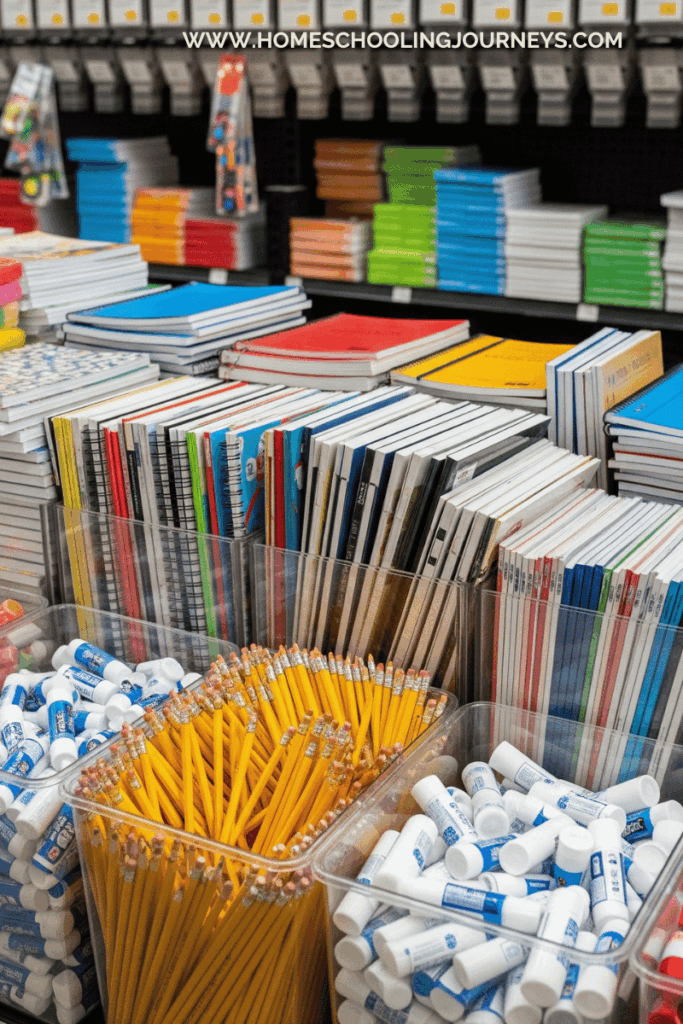
Purchasing items in bulk can lead to significant savings.
Office Supplies
Buy non-perishable items like paper, pencils, and pens in bulk. Stores often offer discounts for larger quantities.
Art Supplies
Purchase frequently used art supplies in bulk, such as markers, glue sticks, and construction paper.
Educational Resources
Invest in more reusable educational resources like laminating sheets or storage containers.
Explore Second-Hand Options
Second-hand shopping can provide great deals on essential items.
Thrift Stores
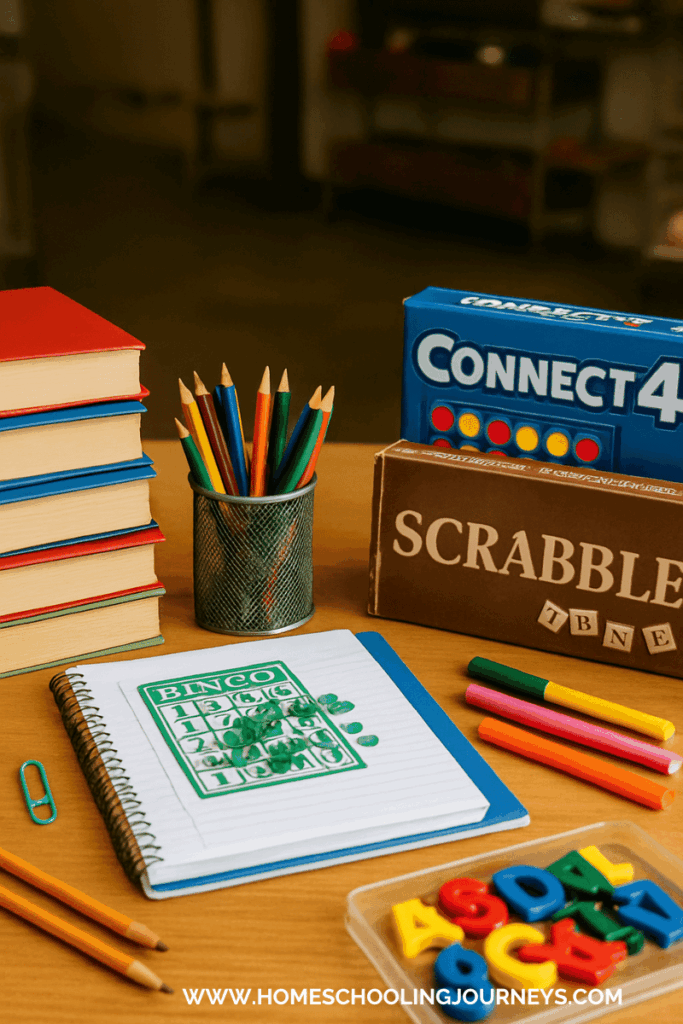
Visit thrift stores for gently used school supplies, books, and educational games.
Online Marketplaces
Check online marketplaces like eBay, Craigslist, or Facebook Marketplace for used textbooks and educational materials.
Homeschool Groups
Connect with local homeschooling communities or online groups. Many families sell or give away used supplies and curriculum.
Take Advantage of Free Resources
There are plenty of free resources available that can complement your homeschooling materials.
Free Printables
Websites like Teachers Pay Teachers and education.com offer a wealth of free printables and worksheets for various subjects and grade levels.
Online Educational Resources
Utilize free online educational platforms, such as Khan Academy, Duolingo, or PBS LearningMedia, to supplement your curriculum.
Library Programs
Take advantage of your local library’s free books, educational programs, and digital resources.
DIY and Repurpose
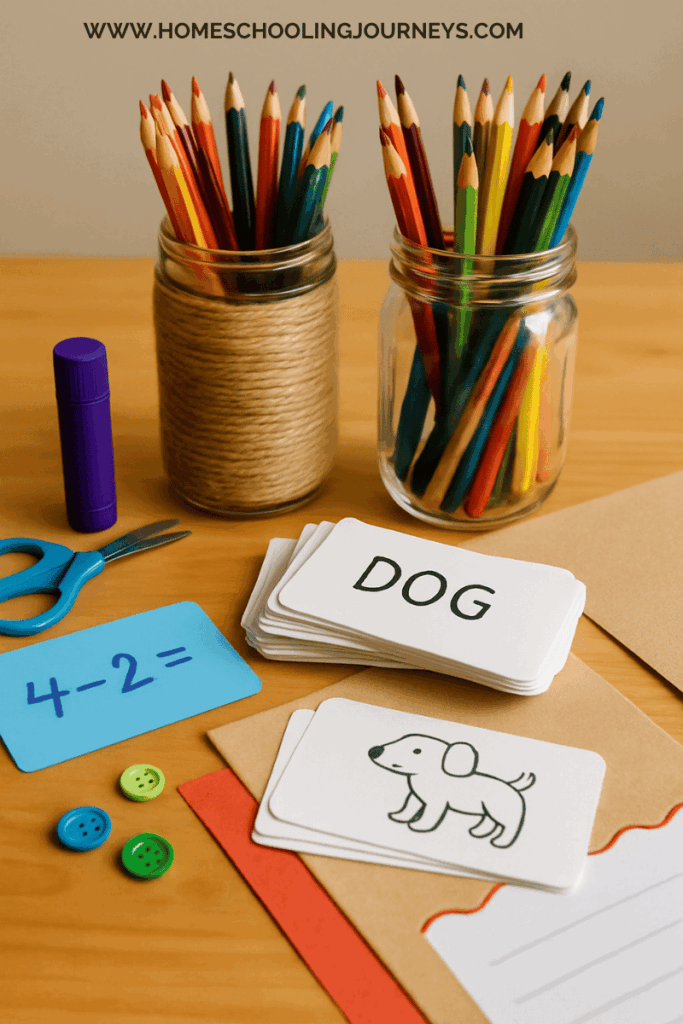
Get creative and make your supplies or repurpose items you already have.
DIY Projects
Create your own educational tools, such as flashcards, posters, or manipulatives, using inexpensive materials.
Repurpose Items
Use items from around the house, such as old containers for storage or scrap paper for practice sheets.
Plan for Long-Term Savings
Investing in durable, high-quality items can save money in the long run.
Invest Wisely
Purchase high-quality items that will last multiple years, such as durable backpacks, sturdy binders, or reusable water bottles.
Maintain and Repair
Take care of your supplies to extend their lifespan. Repair or repurpose items rather than replacing them frequently.
Compare Prices
Always compare prices before making a purchase.
Online vs. In-Store
Check both online and in-store prices. Sometimes, online retailers offer better deals or free shipping options.
Different Retailers
Compare prices at different stores or websites to ensure you get the best deal.
Create a Budget
Set a budget for your back-to-school shopping and stick to it.
Track Spending
Keep track of your expenditures to ensure you stay within your budget.
Allocate Funds
Divide your budget into categories (e.g., supplies, curriculum, extracurricular activities) and allocate funds accordingly.
Involve Your Kids
Involving your children in the shopping process can be both educational and budget-friendly.
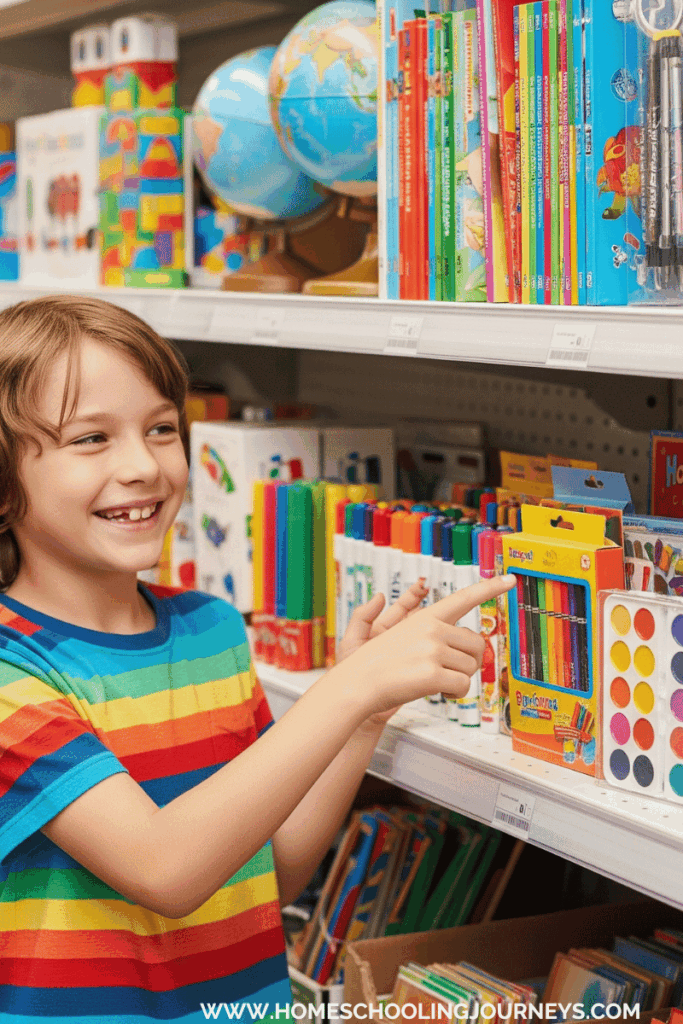
Teach Money Management
Use the opportunity to teach your kids about budgeting and making thoughtful purchasing decisions.
Make It Fun
Turn shopping into a fun activity by letting your kids help choose supplies or create their own wish lists.
Saving money on back-to-school shopping doesn’t mean sacrificing quality or enjoyment. By planning ahead, taking advantage of sales, exploring second-hand options, and being creative with DIY projects, you can effectively manage your budget while ensuring you have everything you need for a successful homeschooling year.
Leave a Reply