
This post may contain affiliate links. If you click on one of my affiliate links and make a purchase, I may receive a commission for referring you. This in no way affects your price. Please know that I only recommend resources and items I believe in and highly recommend. You can read my full disclosure statement here.
As a homeschooling parent, establishing a daily rhythm is essential for maintaining structure and productivity while providing flexibility tailored to your family’s unique needs. A well-crafted daily rhythm sets the tone for a successful homeschooling experience, ensuring both consistency and adaptability. Here’s a guide to help you create a homeschool daily rhythm that works for you and your children.

Start with a Morning Routine
Begin your homeschool day with a consistent morning routine. This sets the stage for a smooth transition from home life to learning. Consider including activities such as:
- Morning Meeting: Gather together to discuss the day’s plan and any important updates.
- Personal Care: Encourage children to complete morning routines like brushing their teeth and dressing.
- Breakfast Time: Enjoy a nutritious breakfast together to fuel the day ahead.
A structured morning routine helps children understand expectations and prepares them mentally for learning.

Establish Core Learning Blocks
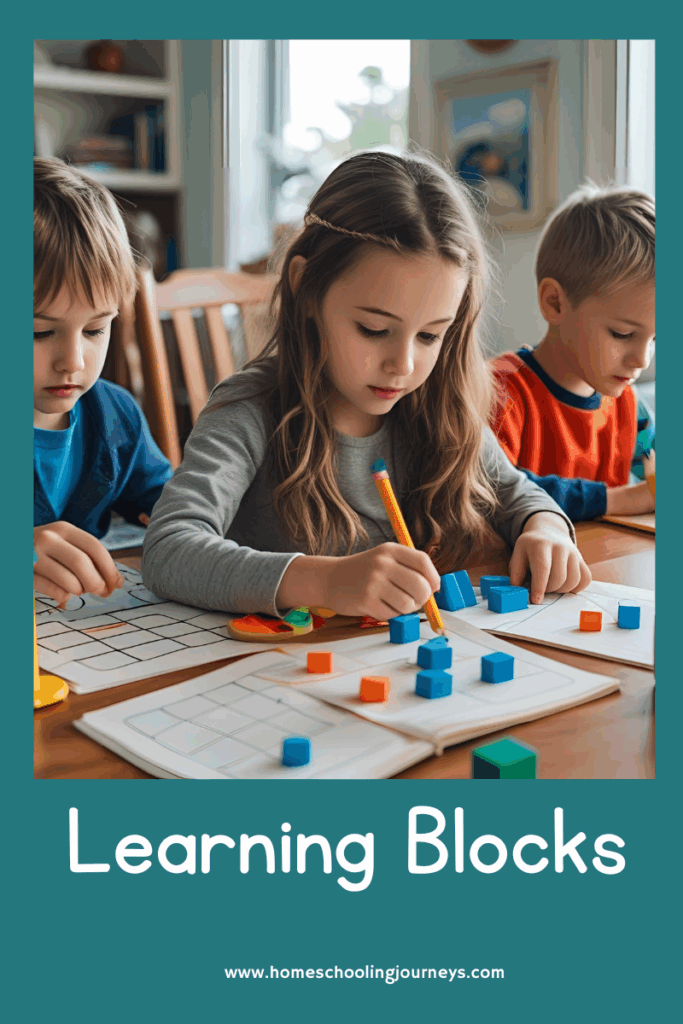
Divide your homeschool day into distinct learning blocks based on subjects or activities. Consider the natural rhythms of your family’s day and align learning blocks accordingly. For example:
- Mathematics: Schedule a focused math session when children are most alert and engaged.
- Language Arts: Reserve a block of time for reading, writing, and grammar activities.
- Science and History: Rotate between these weekly subjects to maintain variety and interest.
Adapt the duration and order of learning blocks based on your children’s attention spans and learning preferences.
Incorporate Breaks and Movement
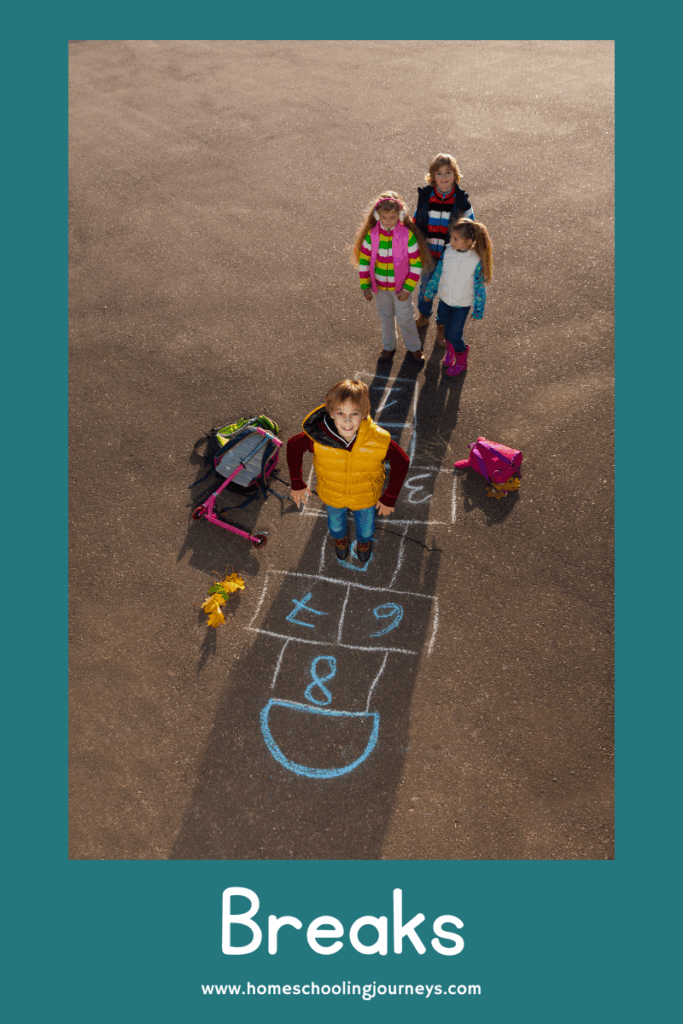
Integrate regular breaks into your homeschool day to allow children to recharge and move their bodies. Breaks can include:
- Outdoor Play: Encourage physical activity and fresh air to boost mood and concentration.
- Snack Time: Provide nutritious snacks to maintain energy levels throughout the day.
- Mindfulness or Stretching: Introduce calming activities like yoga or stretching to promote relaxation and focus.
Short, frequent breaks enhance productivity and prevent burnout, ensuring sustained engagement during learning sessions.
Flexibility for Pursuing Interests
Embrace the flexibility of homeschooling by incorporating time for pursuing children’s interests and passions. Allow for:
- Exploration Time: Dedicate moments for independent research, creative projects, or hobbies.
- Field Trips: Plan outings to museums, parks, or local community events to enrich learning experiences.
- Guest Speakers or Virtual Learning: Invite experts or utilize online resources to introduce diverse perspectives and subjects.
Encouraging curiosity and self-directed learning fosters intrinsic motivation and lifelong skills.

Wind Down with Reflection and Review
End your homeschool day with reflection and review to consolidate learning and prepare for the next day. Consider:
- Discussion Time: Review key concepts covered during the day and address any questions or challenges.
- Journaling or Reflection: Encourage children to write or draw about their learning experiences and achievements.
- Goal Setting: Set goals for the following day or week to provide a sense of purpose and direction.
A structured wind-down routine promotes closure and helps children transition from learning mode to relaxation.

Maintain Consistency and Adaptability
While structure is important, remain flexible to accommodate unexpected events or changes in your family’s schedule. Adjust your daily rhythm as needed to meet evolving needs and optimize learning experiences. Consider:
- Weekly Planning: Outline learning objectives and activities for the week ahead to maintain a sense of direction.
- Regular Assessments: Monitor progress and adjust learning strategies to support individual strengths and areas for improvement.
- Family Feedback: Solicit input from children and adjust routines based on their preferences and learning styles.
Balancing consistency with flexibility promotes a positive homeschooling experience that nurtures both academic growth and personal development.
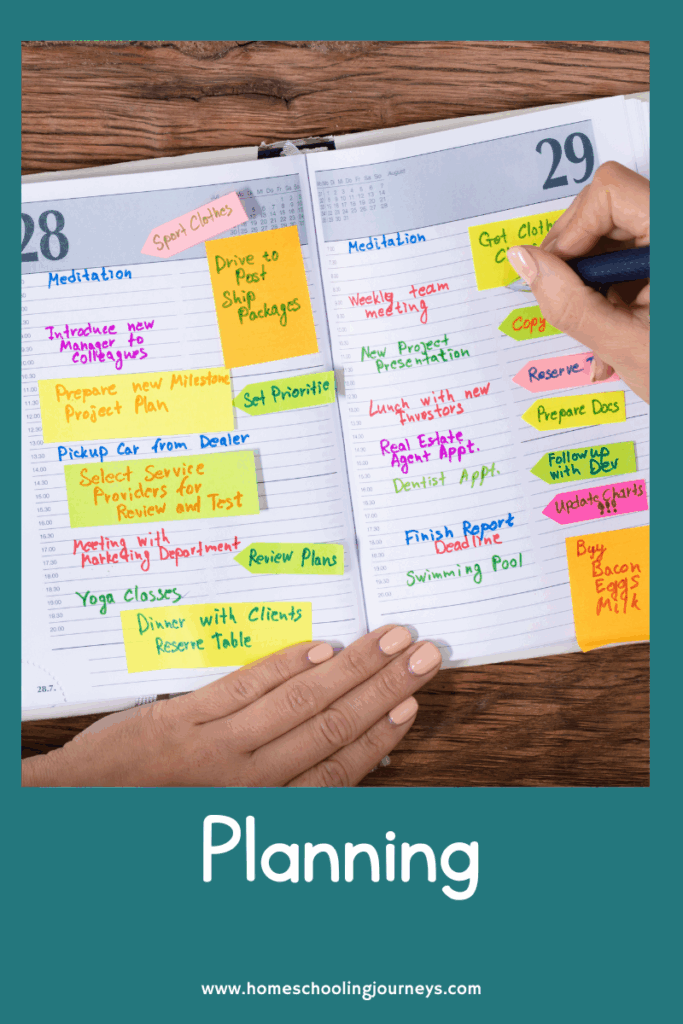
Creating a homeschool daily rhythm requires thoughtful planning and intentional design tailored to your family’s dynamics and educational goals. Establishing a structured yet flexible routine fosters an environment conducive to learning, growth, and meaningful experiences. Embrace the homeschooling journey with confidence, knowing that your daily rhythm supports academic achievement and holistic development.
Leave a Reply