
This post may contain affiliate links. If you click on one of my affiliate links and make a purchase, I may receive a commission for referring you. This in no way affects your price. Please know that I only recommend resources and items I believe in and highly recommend. You can read my full disclosure statement here.
As the crisp autumn air settles in and the leaves turn vibrant shades of red, orange, and gold, it’s the perfect time to immerse your family in a fall nature study. The transition from summer to fall offers a rich tapestry of natural changes, providing a fantastic learning opportunity for homeschooled families. Exploring these changes enhances your children’s understanding of the natural world and fosters a love for the outdoors. Here are some engaging ideas and activities to help you and your family embrace and explore nature’s autumnal transformations.

Leaf Identification and Collection
Fall is renowned for its spectacular leaf display. Take your family on a nature walk to collect a variety of leaves. Bring a field guide or use a leaf identification app to help identify different species. This activity is a wonderful way to learn about local flora and the science behind leaf color changes.
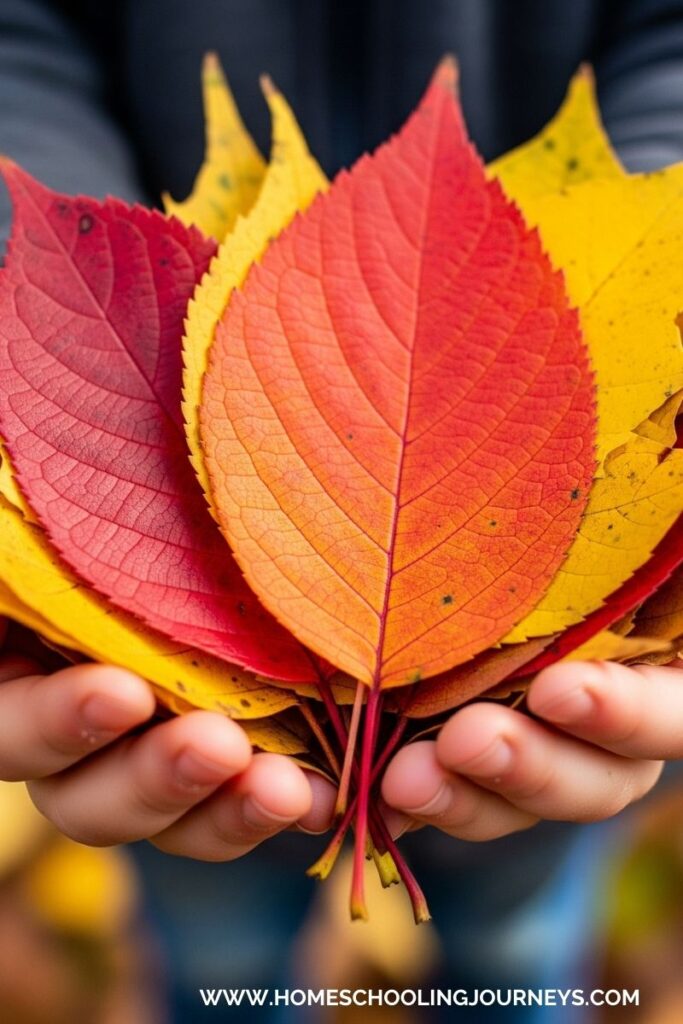
Activity: Create a leaf scrapbook by pressing and preserving your collected leaves. Label each leaf’s name, the date collected, and any interesting facts. This reinforces learning and provides a tangible memory of your autumn adventures.
Observe Animal Behavior
Autumn brings about significant changes in animal behavior as creatures prepare for winter. Observe and document these behaviors with your children. Look for signs of animal migration, hibernation preparations, and changes in diet.
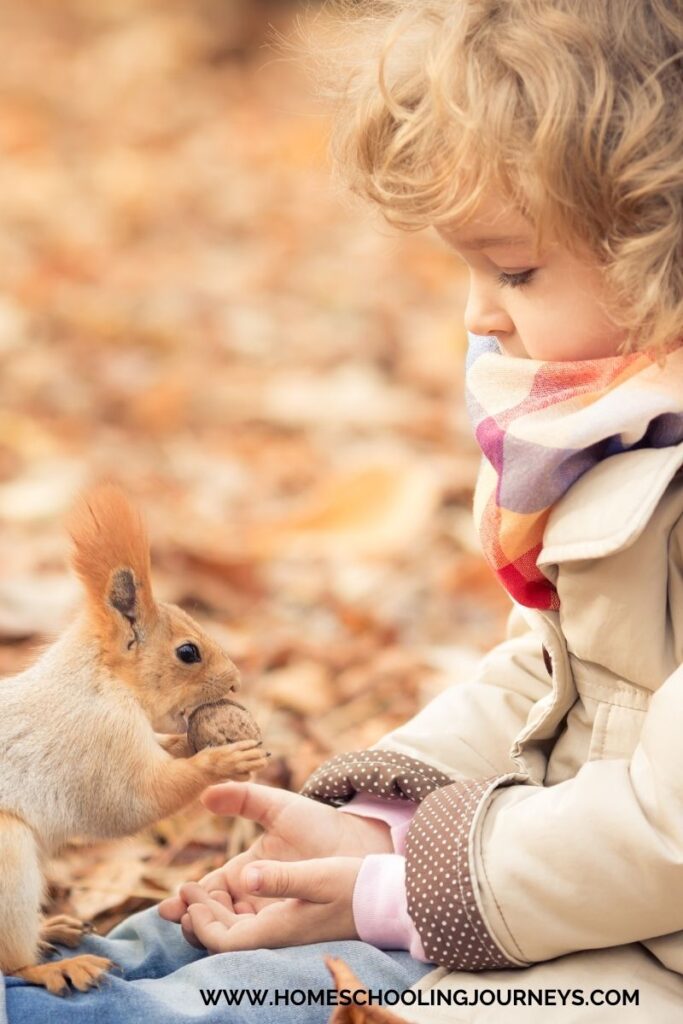
Activity: Set up a nature journal where your children can record their observations. Include drawings, notes on animal tracks, and descriptions of any wildlife encounters. This practice enhances observational skills and encourages detailed reporting.
Explore Fungi and Mushrooms
The fall season is an excellent time to study fungi, as they become more visible in cooler, damp conditions. Teach your children about different types of mushrooms and their role in the ecosystem.

Activity: Organize a mushroom foray (focusing on non-poisonous varieties) and encourage your children to sketch and describe the fungi they find. Discuss the role of fungi in decomposing organic matter and their importance in nature.
Study the Weather Patterns
Fall weather can be unpredictable and offers an excellent opportunity to study meteorological changes. Discuss with your children how weather patterns shift from summer to fall and how these changes impact the environment.

Activity: Create a weather chart to track daily temperature, precipitation, and wind patterns. Use this data to discuss weather phenomena and how they influence local wildlife and plant life.
Nature Scavenger Hunt
A nature scavenger hunt is a fun and interactive way to explore the fall landscape. Create a list of items commonly found in autumn, such as acorns, pine cones, colorful leaves, and specific berries or nuts.

Activity: Head outdoors with your scavenger hunt list and see who can find the most items. This activity promotes observation skills and adds a playful element to your nature study.
Explore Fall Colors and Art
The rich palette of autumn colors provides endless inspiration for art projects. Use the fall foliage as a basis for creating art that captures the season’s beauty.
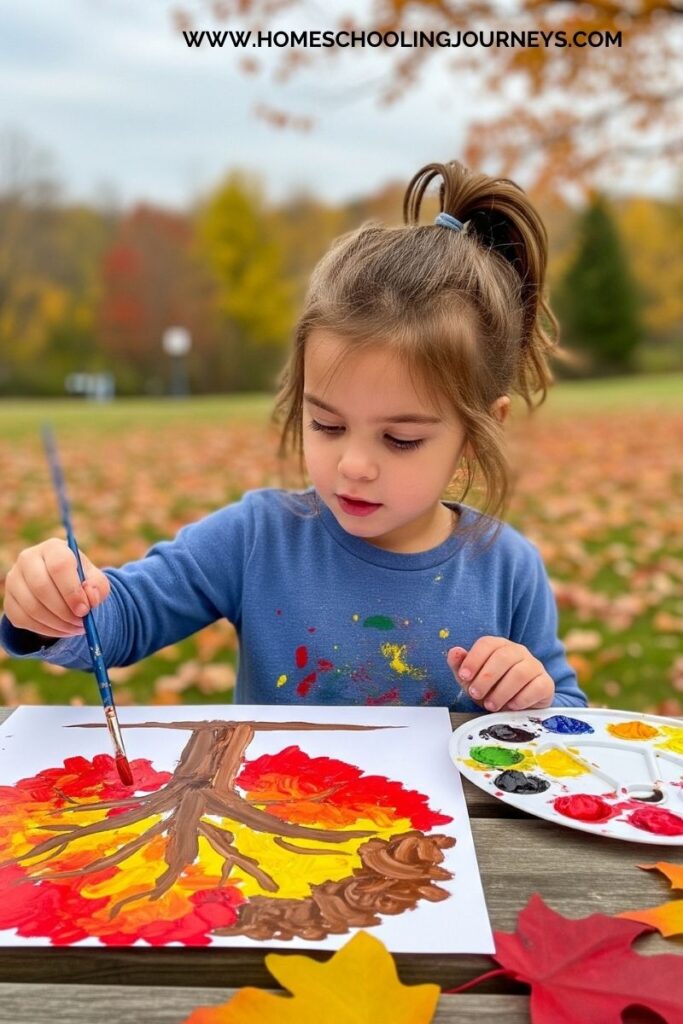
Activity: Gather fallen leaves and use them in art projects such as leaf rubbings, collages, or homemade leaf prints. Discuss color mixing and the science behind why leaves change color, creatively integrating art and science.
Learn About Harvest and Agriculture
Fall is synonymous with harvest time. Use this opportunity to explore the agricultural aspects of the season. Discuss how different crops are harvested and the importance of seasonal produce.

Activity: Visit a local farm or farmer’s market to observe and learn about autumn crops like pumpkins, apples, and squash. Incorporate cooking or baking with seasonal ingredients into your curriculum to deepen the learning experience.
Create a Fall Nature Diary
Encourage your children to document their nature study experiences in a fall nature diary. This diary can include sketches, leaf rubbings, weather observations, and reflections on what they’ve learned.
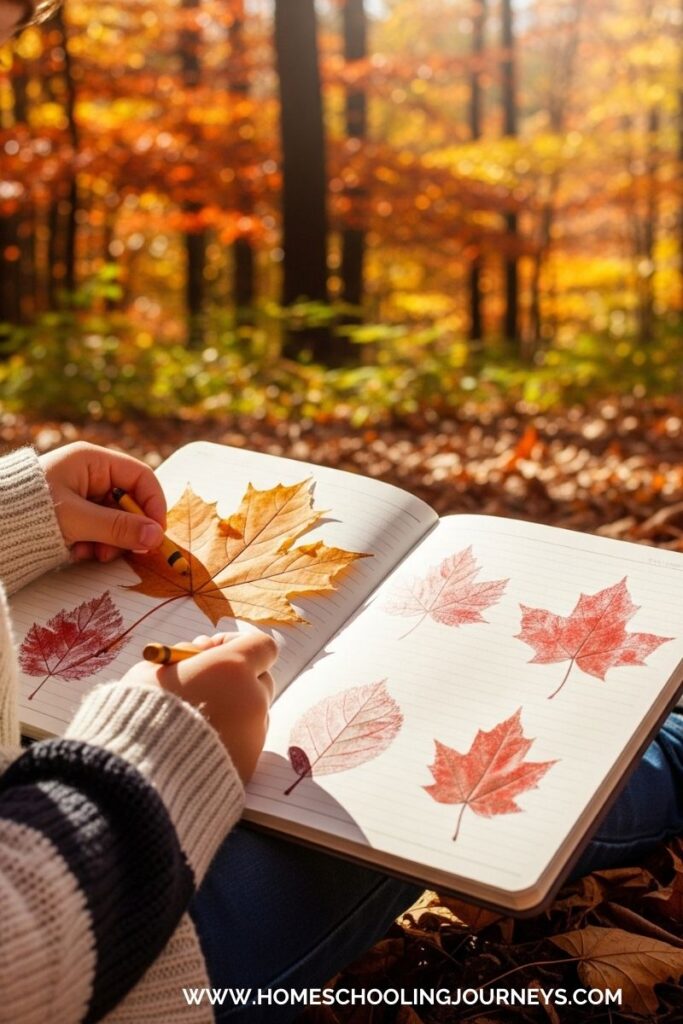
Activity: Set aside time each week for your children to write or draw in their nature diaries. This practice fosters reflection and reinforces their learning through creative expression.
Understand the Ecosystem
Fall is a crucial time in the life cycle of many plants and animals. Discuss the concepts of ecosystems, food chains, and how different species adapt to the changing season.
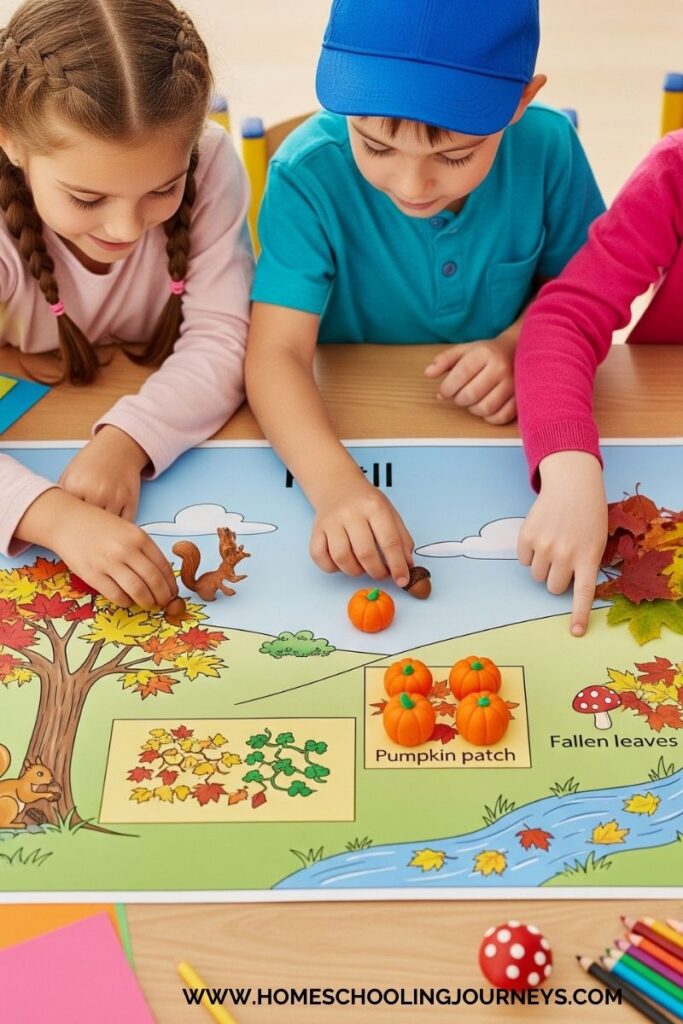
Activity: Build a simple food chain model using local plants and animals. Create diagrams or models to visualize how energy flows through the ecosystem and how seasonal changes affect these relationships.
Plan a Nature-Themed Family Day
Dedicate a day to exploring nature as a family. Plan a day trip to a local park, nature reserve, or hiking trail to immerse yourself in the fall environment fully.

Activity: Prepare a nature-themed picnic and bring along field guides, binoculars, and a camera to capture your observations. Use this day to enjoy the outdoors and reinforce your fall nature study activities.
Embracing fall through nature study offers homeschool families a unique and enriching learning experience. Exploring the changing environment, observing wildlife, and engaging in hands-on activities can deepen your children’s understanding of nature while creating lasting memories.
Leave a Reply